
Ultimate Guide to Wildflowers in Breckenridge
Updated May 5, 2026
Although the summers are short in Breckenridge, they sure are sweet. From mid-June to August, you can witness a stunning array of colors as Colorado wildflowers come to life and blanket the mountains and valleys. Discover the most common native flowers and the best hikes to find them on this summer. Plus, for the first time in 2026, Breckenridge has an official Wildflower Week!
Colorado Blue Columbine
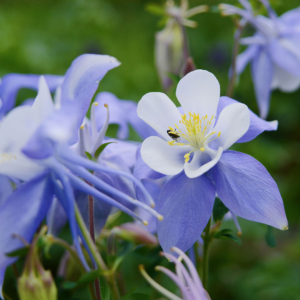
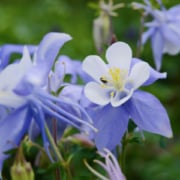
The Colorado Blue Columbine (Aquilegia coerulea) is the state flower of Colorado. It is a native wildflower that belongs to the buttercup family. This perennial plant blooms throughout the summer, showcasing beautiful blue flowers with contrasting white or yellow centers. It is known for its unique and intricate shape, with spurs extending from the petals.
Silvery Lupine
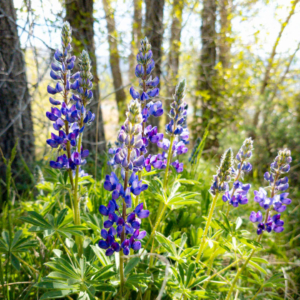
Silvery Lupine (Lupinus argenteus) is a native wildflower found in various parts of North America, including Breckenridge. Belonging to the Pea family, it is a perennial plant that blooms all summer. Silvery Lupine is characterized by its silvery-green foliage and tall flower spikes, which bear pea-like flowers in shades of purple, pink, or blue and attract butterflies and other pollinators.
One-Sided Penstemon
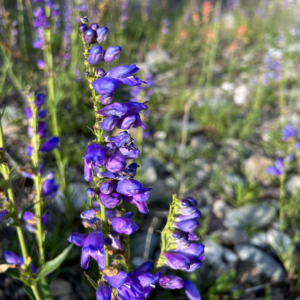 One-Sided Penstemon (Penstemon secundiflorus) is a native wildflower found in the plantain family. This perennial plant blooms throughout the summer, producing tubular-shaped flowers in shades of purple or pink. One-Sided Penstemon is known for its attractive, asymmetrical flower arrangement where the blooms all face one side of the stem.
Mountain Harebell
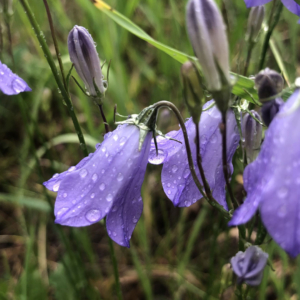 Mountain Harebell (Campanula rotundifolia) is a native wildflower from the bellflower family. It is known for its slender stems and delicate, bell-shaped flowers that range in color from pale lavender to deep purple. Mountain Harebell blooms all summer, dotting the alpine meadows and rocky slopes with its charming blossoms.
Tall Chiming Bells
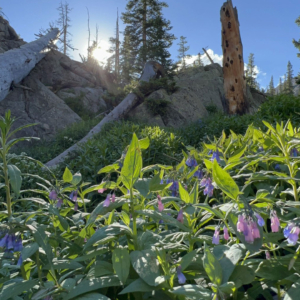 Tall Chiming Bells (Mertensia ciliata) is a native wildflower belonging to the borage family (Boraginaceae). It blooms all summer, showcasing delicate, bell-shaped flowers in shades of pink or purple. The flowers hang from slender stems, creating an elegant and graceful appearance. Tall Chiming Bells is commonly found in moist, shaded areas along stream banks and in meadows, adding beauty to the wildflower landscape.
Wild Iris
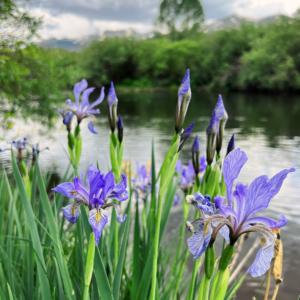 Wild Iris (Iris missouriensis) is a native wildflower that can be found along the Blue River and other wetland areas in Breckenridge. It blooms in early summer, showcasing elegant and distinctive iris-like flowers. Wild Iris comes in various shades of purple and pink, with intricate patterns and markings on its petals.
Elephant Head
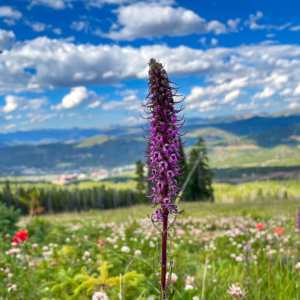 Elephant Head (Pedicularis groenlandica) is a native wildflower that blooms during the summer months. It belongs to the broomrape/figwort family and is known for its unique and intriguing flowers. The flower structure resembles the head of an elephant, with a hood-like upper petal and a long, curved lower petal. Elephant Head displays pinkish-purple flowers.
Fireweed
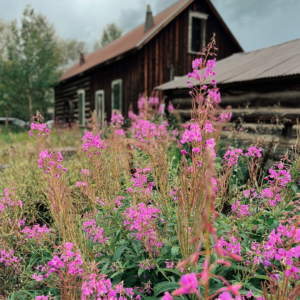 Fireweed (Epilobium angustifolium) is a captivating wildflower that is often associated with disturbed areas and open meadows. It is characterized by its tall, spiky stem and vibrant pink to magenta flowers. Fireweed blooms throughout the summer, and its flowers gradually progress upwards. As the name suggests, Fireweed is often one of the first plants to colonize areas after wildfires.
As tempting as it might be, please look, but don’t touch! Resist the urge to pick wildflowers as it is damaging to fragile ecosystems. Leave them for the next person (or insect or animal) to enjoy! We can all do our part to Leave No Trace.
Old Man of the Mountain
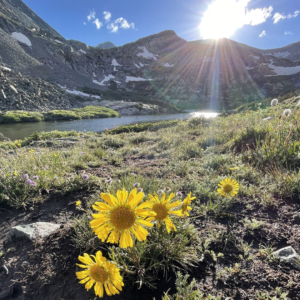
The Old Man of the Mountain (Hymenoxys grandiflora), also known as Alpine Sunflower, is a native wildflower that blooms from mid to late summer. It belongs to the aster family. This perennial plant is characterized by its vibrant yellow flowers with a dark central disk.
Bird’s Foot Trefoil
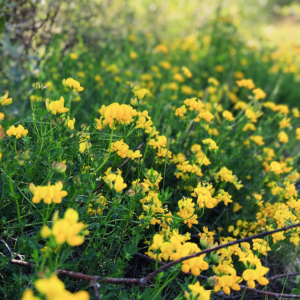
Bird’s Foot Trefoil (Lotus corniculatus) is a wildflower that blooms in early summer. Although it is not native to the area, it can be found in Breckenridge. Bird’s Foot Trefoil belongs to the pea family and features clusters of bright yellow flowers.
Golden Aster
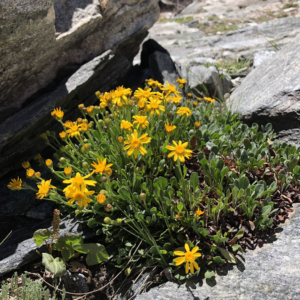
Golden Aster (Heterotheca villosa) is a native wildflower known for its brilliant yellow flowers. It belongs to the aster family and is often found in mountainous regions. Golden Aster blooms throughout the summer, displaying numerous golden-yellow petals surrounding a central disk.
July is the best time to visit Breckenridge for peak wildflower viewing!
Indian Paintbrush
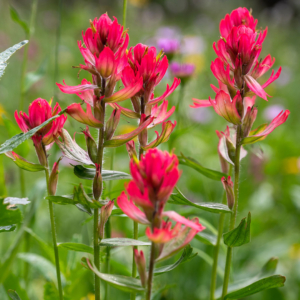 Indian Paintbrush (Castilleja spp.) is a group of wildflowers known for their vibrant and striking colors. There are several species of Indian Paintbrush, and they belong to the figwort family. These perennial plants bloom throughout the summer, showcasing vibrant red, orange, or pink bracts surrounding small, inconspicuous flowers. The bracts often resemble paintbrushes dipped in bright colors, hence the name.
Scarlet Gilia
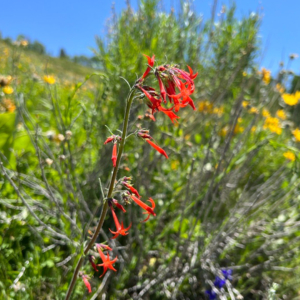 Scarlet Gilia (Ipomopsis aggregata) is a striking wildflower native to Colorado and the phlox family. Its vibrant red tubular flowers, arranged in dense clusters atop tall, slender stems, create a visually captivating display. Found in diverse habitats such as meadows, slopes, and open woodlands, Scarlet Gilia attracts pollinators like hummingbirds and butterflies.
Indian Blanket
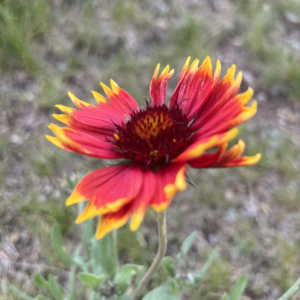 Indian Blanket (Gaillardia pulchella), also known as Firewheel, is a native wildflower belonging to the aster family. It showcases vibrant and intricate patterns of red, orange, and yellow on its daisy-like flowers. Indian Blanket blooms throughout the summer and is known for its tolerance to dry and sunny conditions.
Oriental Poppy
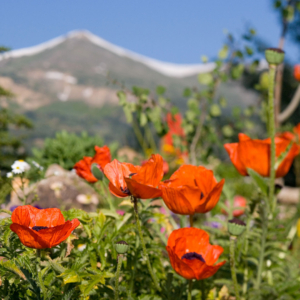 While the Oriental Poppy isn’t native to Breckenridge, they are famous in town! The plant grows in large bunches, and its long stalks end with an enormous red or pink poppy flower. Miners brought these flowers to Breckenridge, which is why you will find them around historic Main Street.
If you’re looking for the perfect wildflower hike, the top five scenic hikes in Breckenridge feature an abundance of colorful flowers and breathtaking views.
Cow Parsnip
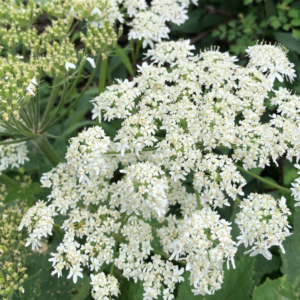 Cow Parsnip (Heracleum maximum) is a tall, perennial flowering plant native to North America. Belonging to the carrot family, it features large, deeply lobed leaves resembling maple leaves that can reach up to 2 feet in diameter. Its large, umbrella-shaped flower heads attract a wide range of insects, including bees, butterflies, and beetles, which help in pollination.
Mariposa Lily
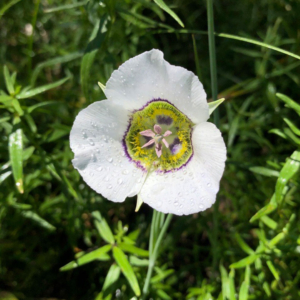 Mariposa Lily (Calochortus spp.) is a group of wildflowers known for their stunning and elegant blooms. These perennial plants typically bloom in early summer, showcasing large, showy flowers in shades of pink, purple, or white. Mariposa Lily flowers have distinctive petal patterns and often feature colorful markings and delicate fringed edges. These wildflowers can be found in meadows and alpine regions.
Umbrella Desert Buckwheat
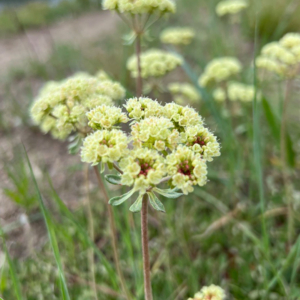 Umbrella Desert Buckwheat (Eriogonum ovalifolium) are small, cream-colored or yellow flowers that are native to Colorado. These flowers are small and rounded, with four petals. You can find these flowers growing all summer and as they age, the flowers turn reddish or pink.
Alpine Phlox
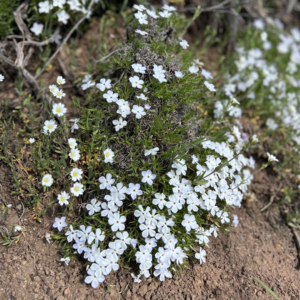 Alpine phlox (phlox condensata), is a low-growing perennial wildflower that is native to Colorado. Its fragrant clusters of pink, lavender, or white flowers and narrow evergreen leaves create stunning displays against rocky landscapes. Blooming during the summer months, this hardy plant attracts pollinators and is a popular choice for alpine gardens.
While these are just a few of our favorite wildflowers in Breckenridge, there are over 3,200 species of wildflowers in Colorado, so be sure to keep an eye out on your next hike to see what else you can find. If you’re ready to experience Colorado wildflower season in person, check out discounted lodging here and start planning your next trip!
The post Ultimate Guide to Wildflowers in Breckenridge appeared first on Best of Breckenridge Blog.